
The United States will maintain the deployment of approximately 50,000 troops in the Middle East through 2027, demonstrating that American officials are preparing for a long war with Iran after seven months of fighting.
The troop movements are open-ended and include elements of the Army’s air defense systems, the Navy’s rotational fleet operations, F-35 Lightning II fighter jets, and the 82nd Airborne Division. The order comes from Defense Secretary Pete Hegseth.
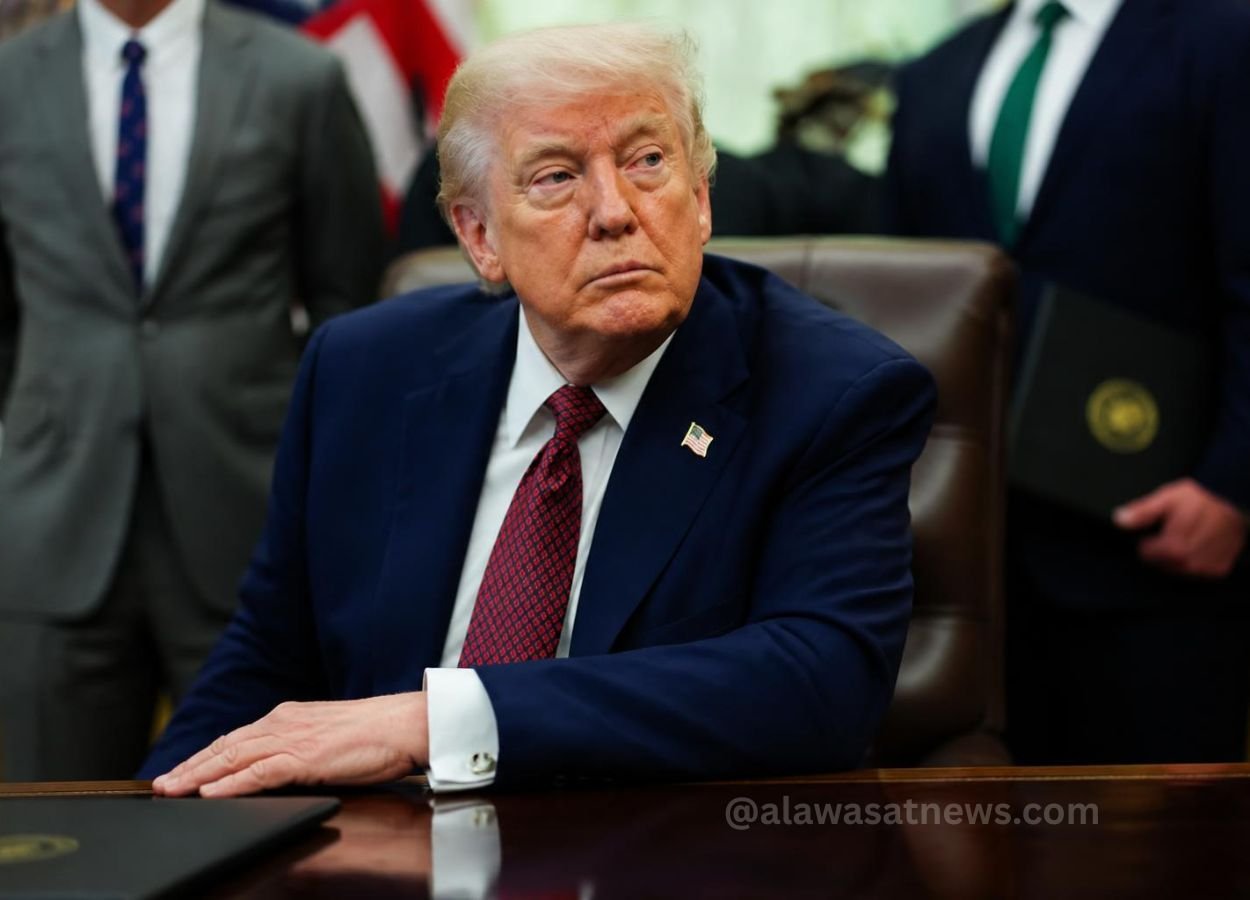
According to internal military communications provided to service members’ families, the operational extension aims to preserve strategic flexibility for President Donald Trump, keeping expansive combat options open while maintaining a permanent defensive shield across regional maritime lanes and military installations.
The extended timeline marks a significant departure from initial expectations of a rapid, high-intensity campaign. American forces in theater remain heavily engaged in countering Iranian missile strikes, enforcing naval blockades along coastal sectors, and escorting commercial shipping corridors through the strategic Strait of Hormuz.
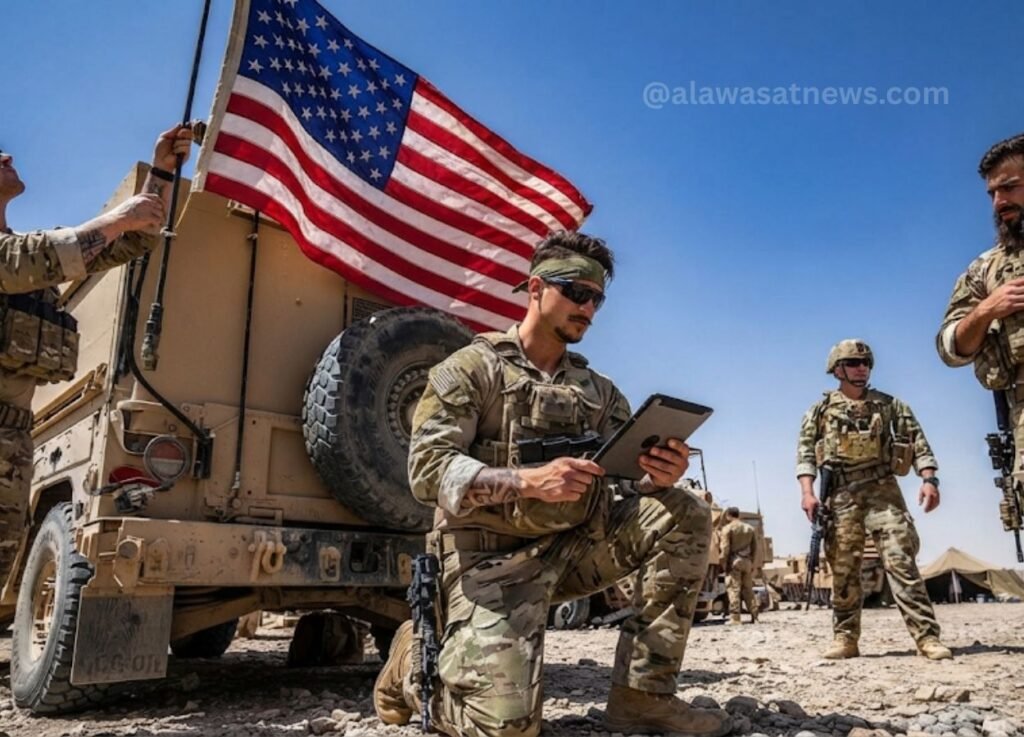
Recent operations saw U.S. Central Command carry out precision strikes against dozens of Iranian air-defense targets and military radar facilities, triggering reciprocal Iranian strikes on allied facilities across the Gulf.
Military analysts highlight that these prolonged tours are creating severe operational strain across the U.S. Armed Forces. Army air-defense units—already operating at peak capacity prior to the war—have seen standard nine-month deployments stretched to a full year, with some units diverted directly from previously scheduled posts in Europe and the Pacific.
At sea, the U.S. Navy maintains a massive task force of 19 naval vessels, including two aircraft carriers and 13 guided-missile destroyers. Supply constraints in theater have forced warships to rely on distant logistics hubs like Diego Garcia in the Indian Ocean, further compounding maintenance delays and extending sea-time for personnel.
Despite rising operational friction and strain on equipment, Pentagon leadership views the sustained presence as necessary to deter broader escalation while maintaining baseline force readiness through 2027.

