Yemen’s Houthi rebels have completed their takeover of the country’s entire Red Sea coastline, tightening their grip on a critical alternative shipping corridor just as Saudi Arabia was forced to shut down a major oil pipeline following a drone strike traced back to Iraqi territory.
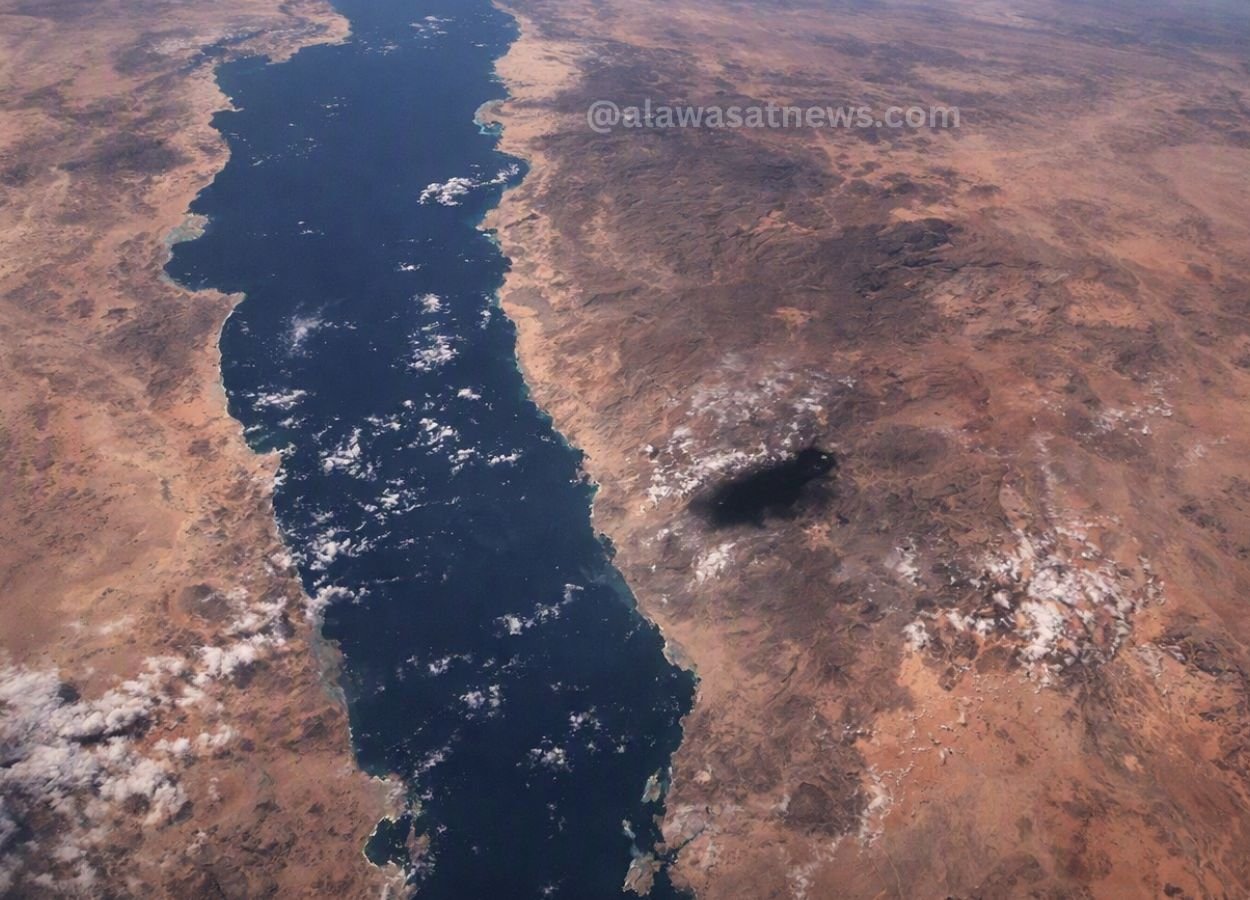
The Iran-backed group overran the last government-held towns along the coast in a swift offensive that culminated Friday, extending its reach into islands within the Bab al-Mandeb strait — the narrow passage linking the Red Sea to the Gulf of Aden.
Control of this waterway has become increasingly consequential since roughly a fifth of global energy shipments were rerouted through it after fighting between the United States and Iran shut down much of the Strait of Hormuz earlier this year.
Houthi military spokesperson Yahya Saree said the offensive had driven Saudi-backed forces from six districts in an area covering 5,400 square kilometres after attacking dozens of opposing brigades.
A Houthi politburo member sought to reassure shippers that the use of the shipping corridor was not disrupted despite restrictions on Red Sea traffic to and from Yemen during earlier attacks by Houthi rebels on commercial vessels.

Iranian officials openly celebrated the advance. A senior Iranian parliamentary figure framed it as proof that regional resistance movements would not be intimidated, while an adviser to Iran’s supreme leader described it as compounding pressure already placed on Washington through the closure of Hormuz.
The territorial shift coincided with a separate flashpoint: Saudi Arabia’s East-West pipeline, which carries crude to Red Sea terminals bypassing Hormuz entirely, was struck by drones launched from Iraq’s Maysan province, according to Riyadh.
The kingdom condemned the attack but agreed to hold off retaliating at Baghdad’s request, giving Iraqi authorities room to investigate. Iraq’s prime minister subsequently dismissed a regional military commander and ordered a formal inquiry.
Energy markets reacted swiftly: US diesel prices climbed past $6 a gallon and oil edged toward $100 a barrel, its highest level since May, while the International Energy Agency warned that disrupted Middle East supply flows are unlikely to normalise before 2027.