

Asian markets rose on Thursday on the back of the U.S. dollar’s recovery to its highest level in seven weeks. It follows the Federal Reserve’s rate hike decision made overnight, which marked the first increase in its history in more than three years.
The hike sent shockwaves throughout the market as it suggested a hawkish turn for the U.S. monetary policy. The move also served to alleviate fears that a global selloff of bonds would be triggered by a rapid rise in global yields.
Asia shares climbed on Thursday, after the U.S. dollar hit a seven-week peak, and the federal funds rate was hiked a quarter percentage point in a unanimous vote by the governors. Furthermore, it seems that the Fed will make another hike before year-end. It happened as policymakers tried to prevent a prolonged bond selling spree.
Markets have already factored in another hike by the Fed in December. Goldman Sachs analysts expect another hike as soon as October. The main reason is that a series of tightening steps would help the Fed achieve its goal of a “timelier return” to its 2% inflation target. Futures markets currently assign roughly even odds to that scenario, with three total increases now expected across this tightening cycle.
The reaction rippled through currency and bond markets. Two-year Treasury yields, which move closely with rate expectations, touched their highest level since July 2024, helping drive the dollar up 0.7% overnight against the yen and euro.
Benchmark 10-year yields held just below the closely watched 5% threshold, while 30-year yields eased slightly, retreating further from a 19-year peak reached earlier this year.
Analysts at ING said the muted reaction at the long end of the curve suggested markets viewed the hike as inflation-containing rather than alarming, though they flagged 5.25% as the next likely target for 10-year yields.
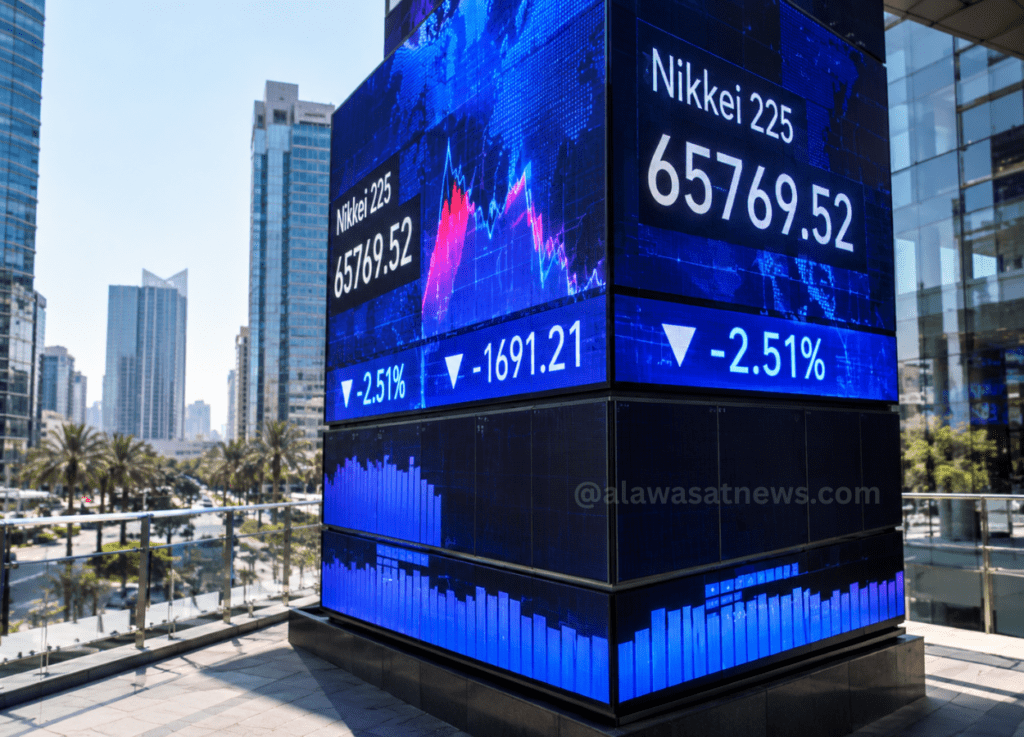
In Asia, Japan’s Nikkei added 0.5% and MSCI’s regional benchmark excluding Japan rose 0.4%, while Chinese blue-chips and Hong Kong’s Hang Seng slipped. Wall Street futures pointed to a firmer open.
Commodities felt the strain of a stronger dollar. Brent crude fell for a second straight session to just above $105 a barrel, with reports that Saudi Arabia was routing additional crude cargoes through Oman easing concerns over Middle East supply disruptions.
Gold, by contrast, gained ground, recovering from Wednesday’s losses. Attention now turns to the Bank of England’s rate decision Thursday and an expected Bank of Japan hike on Friday.