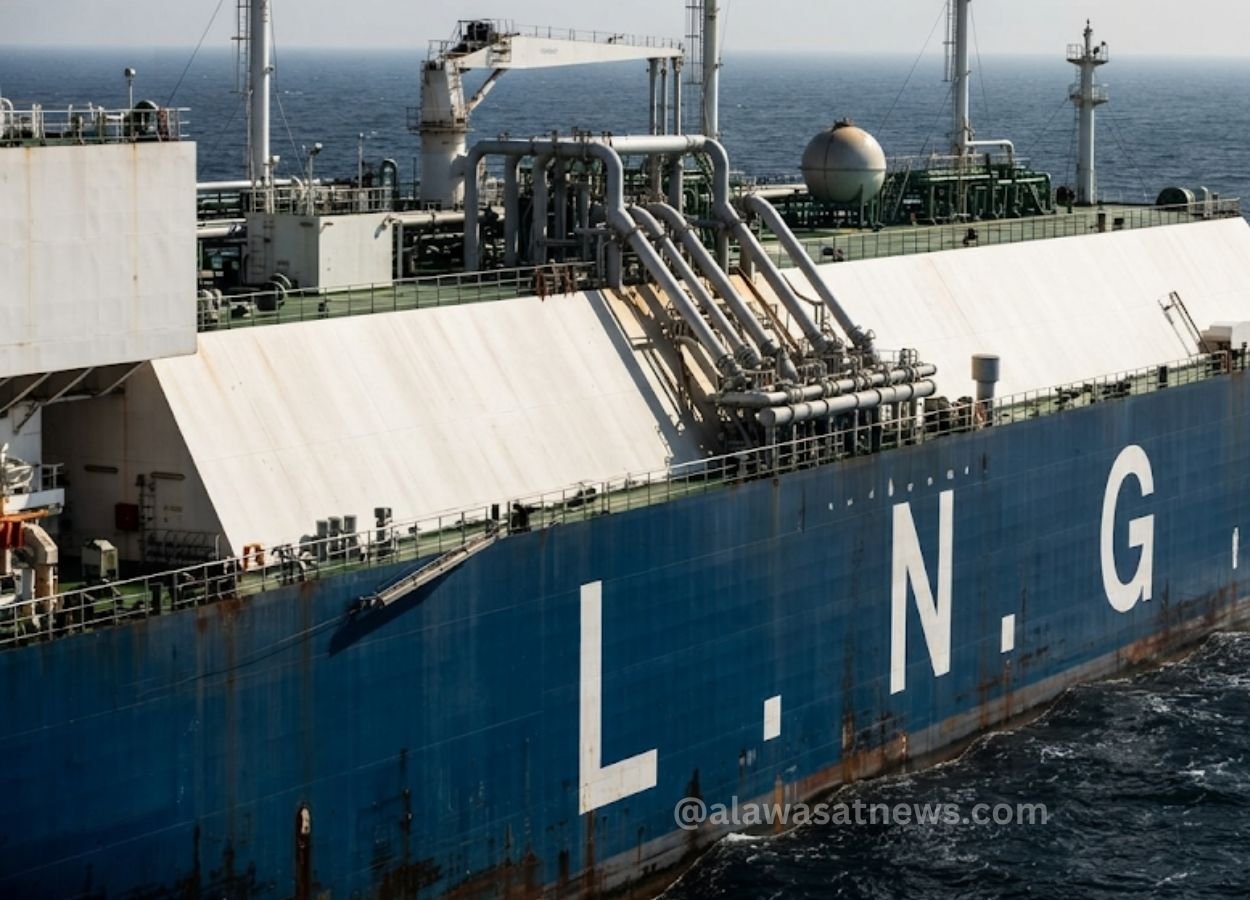
Qatar-linked liquefied natural gas carriers are moving through the Strait of Hormuz again, with more vessels, both loaded and empty, crossing in the past week despite the unresolved war between the United States and Iran, according to ship-tracking data from Kpler and LSEG.
The revival follows a complete blackout in August, when Kpler recorded no visible crossings by Qatar-linked gas carriers or ships loading at the Ras Laffan terminal, as operators feared Iranian attacks on a waterway Tehran has sought to choke off.
Some vessels may have slipped through unseen with their tracking transponders switched off, a common tactic in the strait, but visible movements have risen sharply this month.
The most recent to surface was the GasLog Skagen, which appeared off Sri Lanka on September 27 carrying Ras Laffan gas. Managed by Greece’s GasLog LNG Services, it had spent the war inside the Gulf shuttling Qatari cargoes to the United Arab Emirates and Kuwait.
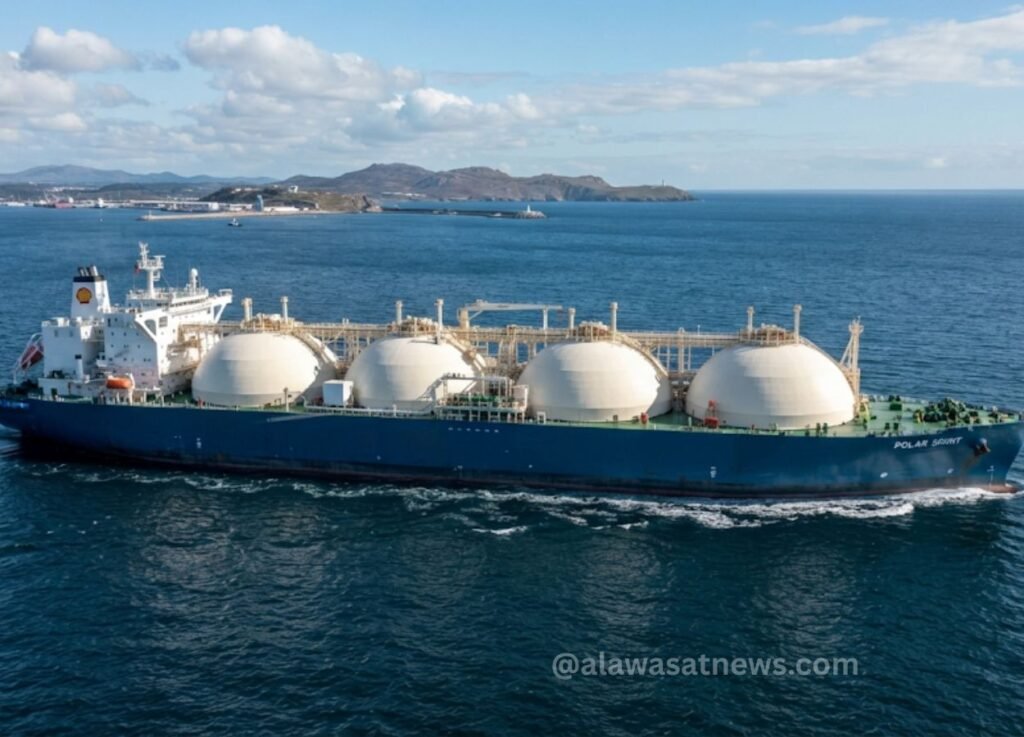
Two other Qatari-linked tankers, the Mesaimeer and the Al Ghashamiya, also exited with cargoes; the latter delivered its load to Dahej in India on September 24.
Traffic has flowed in both directions. The Al Mafyar was seen re-entering the strait empty on September 22, while the Al Shamal reappeared outside the waterway around September 24-25 and is now sailing along India’s southern coast.
The Al Daayen headed for China’s Caofeidian terminal, and the Shandong Redwood crossed on September 19 before discharging in Pakistan four days later.
QatarEnergy, GasLog, Shandong Marine Energy and Seapeak Maritime did not immediately respond to requests for comment.
The strait carried roughly a fifth of the world’s crude oil and LNG before it was blockaded following the US-Israeli strikes on Iran that opened the war in February.
Qatar, one of the world’s largest LNG exporters, relies on the passage to reach buyers across Asia and beyond, making any sustained reopening significant for tight global gas markets.
The recovery remains partial and fragile, with incomplete tracking data and continuing security risks limiting how much can be read into the trend.