Stocks on Gulf bourses ticked higher on Tuesday amid the news that Saudi Arabia has resumed operations at its East-West crude pipeline, reducing any worries over oil supply from the region despite the fact that the Saudi Stock Exchange Tadawul will be shut on Tuesday due to a national holiday.
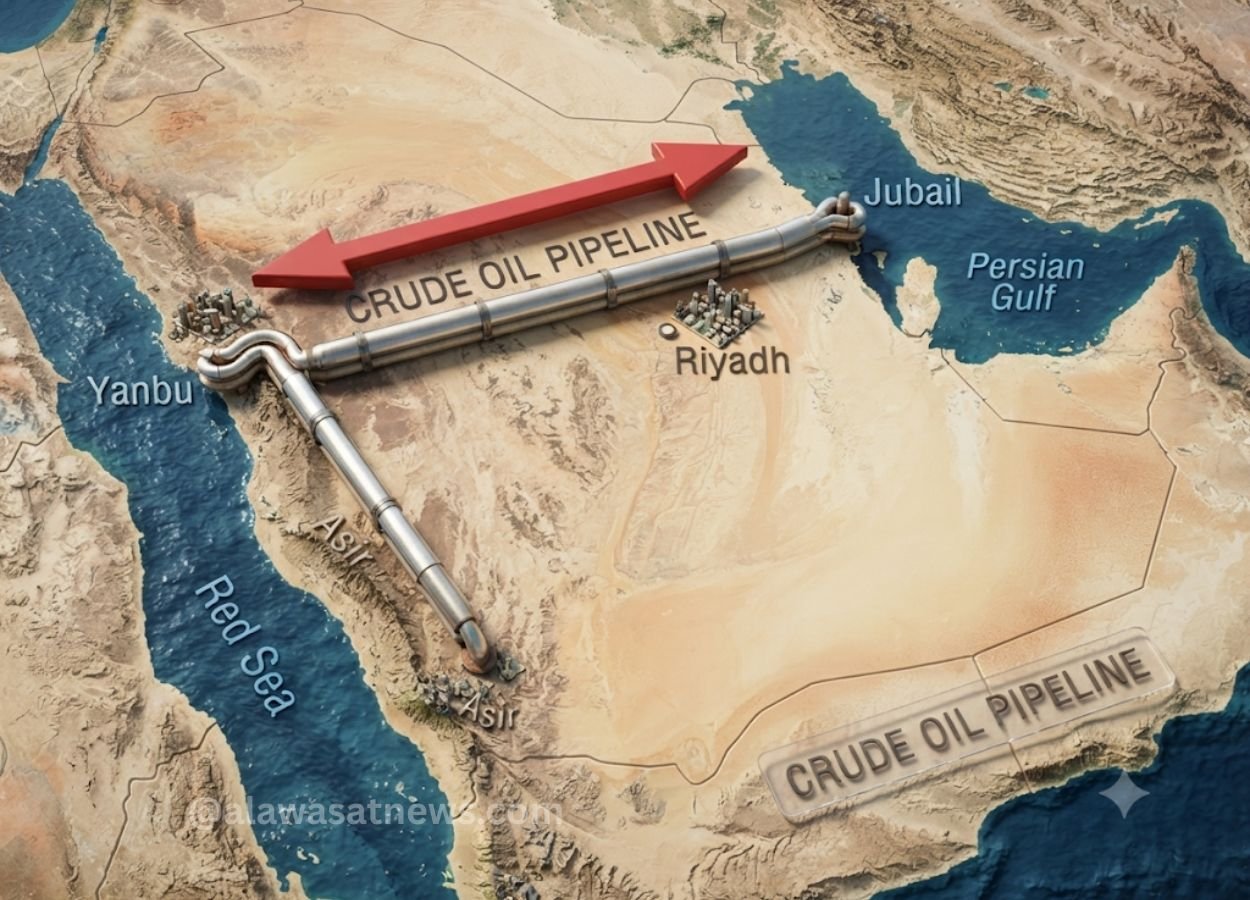
The East-West crude pipeline, called Petroline, stopped functioning after Saudi Arabia was attacked by drones, which caused damages to pumping stations along the 1,200-kilometer-long pipeline and halted loading of crude at Yanbu on the Red Sea coast.
Saudi state-run oil firm Saudi Aramco resumed crude flowing from the pipeline at a smaller volume, as a ship is to load a cargo at Yanbu destined for China, sources said.
With the capacity of transporting 4 million barrels per day from the eastern oil fields of Saudi Arabia to the Red Sea, the Petroline is the country’s main option but the Strait of Hormuz for crude shipments. It may take six to eight weeks to restore the full volume of shipments from the pipeline, the sources told Reuters.
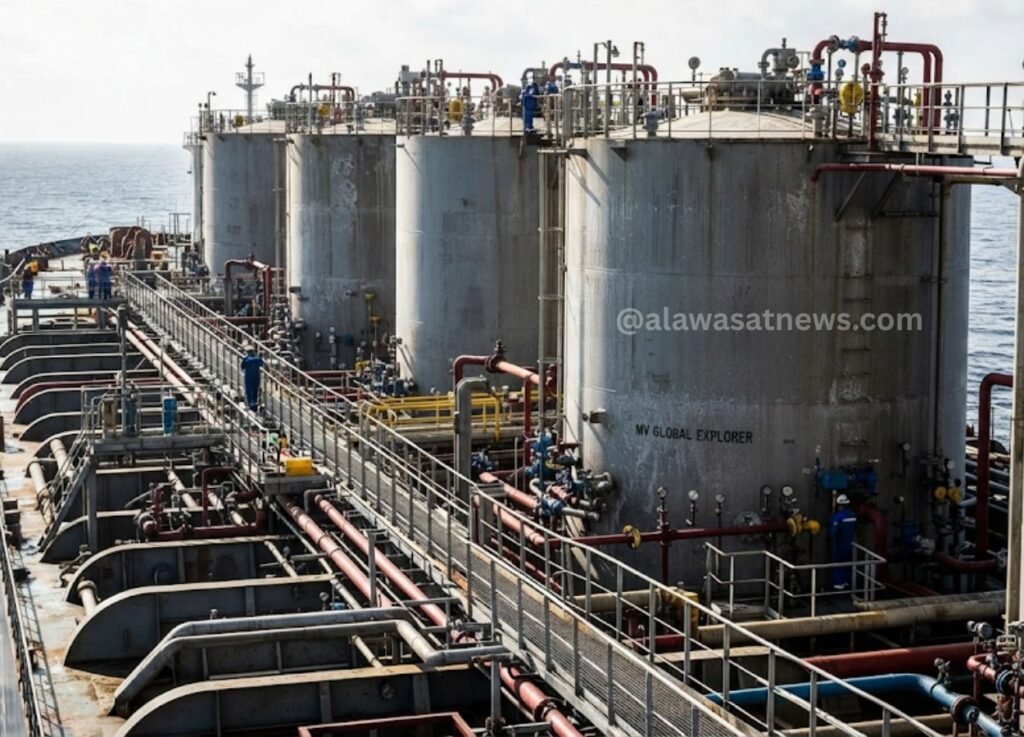
The disruption had underscored just how exposed Gulf energy exports remain to the narrow, contested waterway separating Iran and Oman.
In the interim, Saudi Arabia has leaned more heavily on Hormuz itself: seven supertankers carrying a combined 14 million barrels were loaded from Gulf terminals over the weekend, according to satellite tracking data, in what analysts described as a clear shift of exports back toward the strait.
News of the pipeline’s return sent oil prices lower, with Brent crude slipping below $100 a barrel for the first time in weeks and falling more than $2 to its lowest level since September 8, as traders priced in reduced supply risk.
The International Energy Agency estimates Saudi Arabia and the UAE together hold roughly 3.5 million to 5.5 million barrels a day of alternative export capacity that could bypass Hormuz entirely, though the logistics of rerouting such volumes at scale remain largely untested.
The pipeline’s gradual recovery offers some relief to global energy markets that have been on edge for months amid regional tensions, though analysts caution a full return to pre-attack export capacity is still weeks away.