
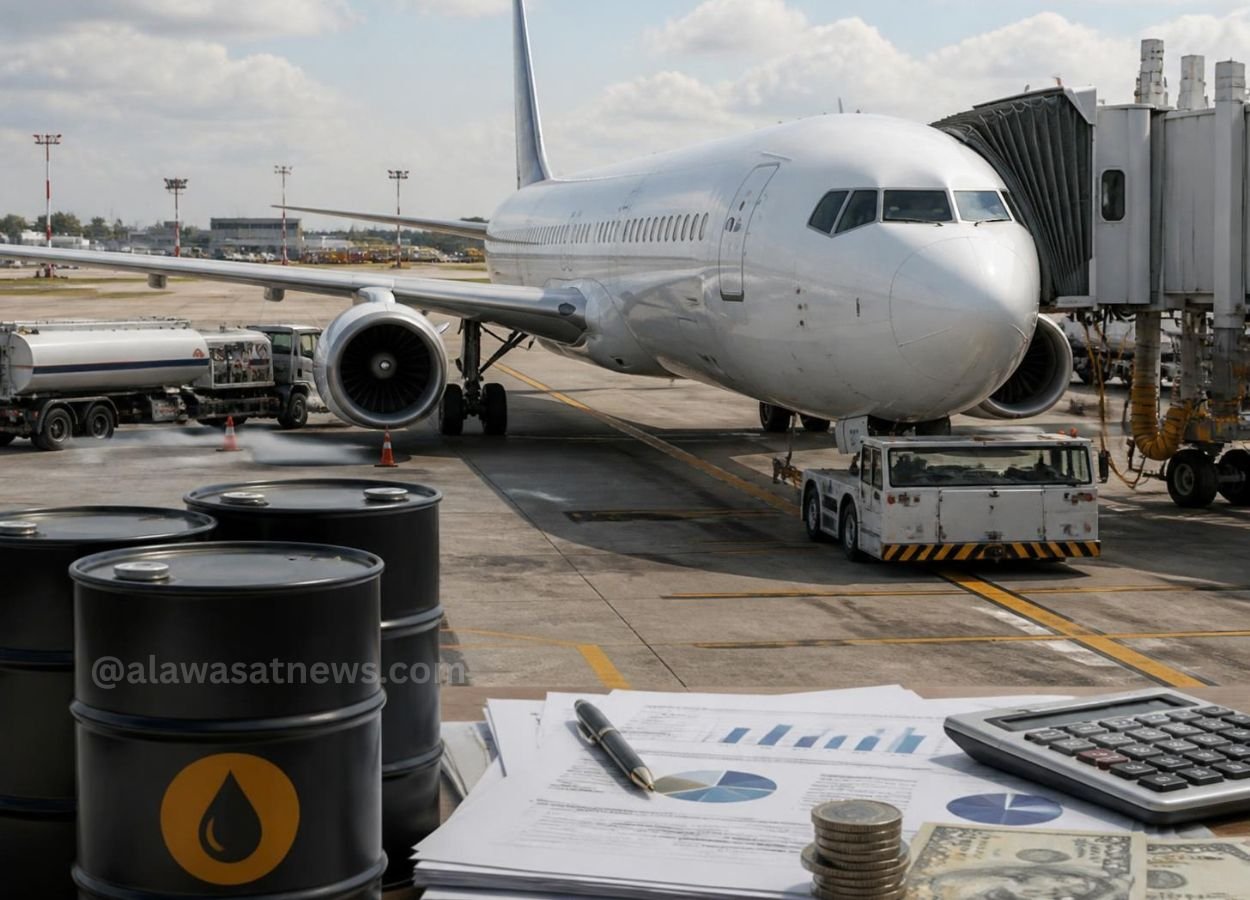
Soaring jet fuel prices and higher interest rates have overtaken aircraft shortages as the industry’s main concern, delegates at a major meeting in Copenhagen said this week, after years of being overshadowed by supply chain issues.
The shift was revealed during the International Society of Transport Aircraft Trading conference, which was attended by a number of airlines and aircraft lessors.
The change in outlook followed a series of worrying market developments, including the bankruptcy filing by Latvian carrier airBaltic, a jump in crude oil prices following recent advances by Yemeni Houthis in a long running regional proxy war in the Middle East, and higher U.S. treasury yields.
Jet fuel prices have climbed sharply since the Iran war began in late February, and Gulf Coast benchmarks touched their highest levels in months this week.
Thomas Baker, chief executive of Aviation Capital Group, told the conference he expects winter to bring tougher financial conditions than markets currently anticipate.
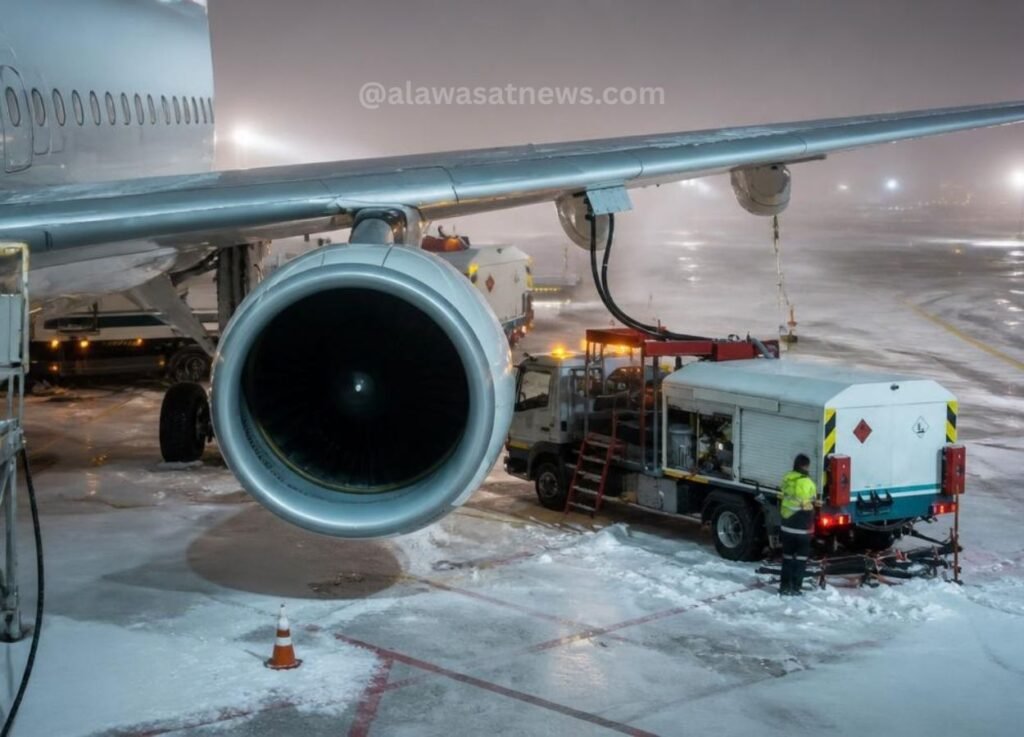
Bertrand Dehouck of BNP Paribas said the pace of the shift had caught many in the industry off guard, while Avolon chief executive Andy Cronin noted that easing pressure on engine and parts shortages has been overtaken by a rapid rise in concern over interest rates.
Borrowing costs matter acutely for aircraft lessors, who control roughly half the global airline fleet and depend heavily on debt to finance purchases.
Misjudging financial exposure, rather than picking the wrong aircraft or airline, now poses the faster threat to a lessor’s business, according to Cronin.
With oil trading above $100 a barrel, delegates said rising fuel costs have already begun cooling the second-hand aircraft market, pushing some lease rates down between 5% and 10%.
Analysts have separately warned that smaller, domestic-focused carriers face the greatest strain, with high-yield airline bond spreads sitting near 400 basis points — more than double where they stood in January.
Despite the headwinds, new investors continue entering aviation finance, intensifying competition among lessors for the same in-demand aircraft even as manufacturing bottlenecks persist, offering some cushion against a sharper demand slowdown.